
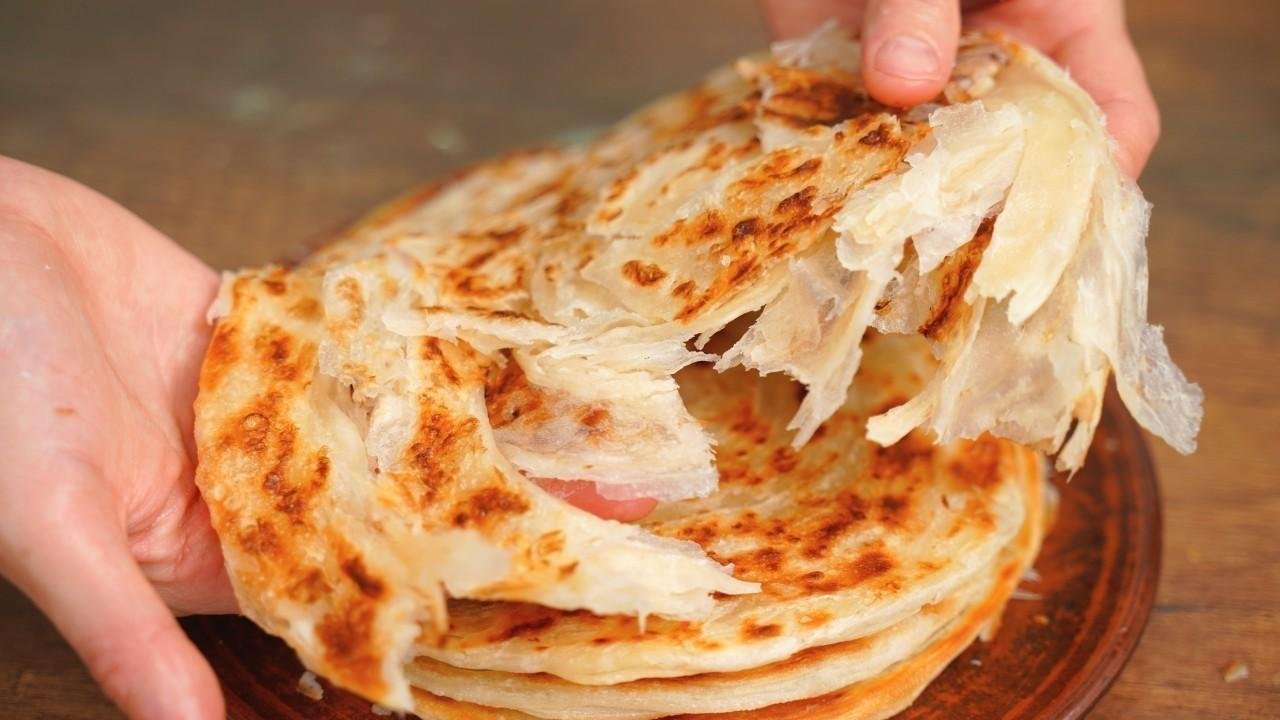

Description: This Soft and Flaky Homemade Flatbread is a delicious, golden bread with a tender inside, lightly crisp spots, and a rich buttery finish. Made with simple pantry ingredients, these homemade flatbreads are perfect for breakfast, lunch, or dinner. Serve them warm with curry, eggs, yogurt, or your favorite dipping sauce for a comforting homemade meal.
Recipe Overview
- Prep Time: 20 minutes
- Resting Time: 30 minutes
- Cook Time: 25 minutes
- Total Time: 1 hour 15 minutes
- Servings: 8 flatbreads
- Cuisine: Homemade, South Asian-inspired
- Course: Bread, Breakfast, Side Dish
- Difficulty: Easy
Why You’ll Love This Homemade Flatbread
Homemade flatbread is one of those simple recipes that can make any meal feel special. The dough requires only a few basic ingredients, and you do not need an oven or any special baking equipment. A regular frying pan or griddle works perfectly.
The secret to achieving soft, flexible flatbreads is allowing the dough to rest before rolling it out. This helps relax the gluten, making the dough easier to shape and helping the finished bread remain tender.
A light brushing of butter or oil adds flavor and creates the beautiful golden appearance seen in the picture. These flatbreads are also versatile: you can enjoy them plain, brush them with garlic butter, or add your favorite herbs and seasonings.
Ingredients You’ll Need

Use the following measurements to make eight soft homemade flatbreads.
- 3 cups (375 g) all-purpose flour
- 1 teaspoon salt
- 1 teaspoon sugar
- 1 teaspoon baking powder
- 2 tablespoons vegetable oil
- 1 cup (240 ml) warm water, approximately
- 3 tablespoons melted butter, for brushing
- 1–2 tablespoons extra flour, for dusting
- 1 tablespoon oil, for cooking if needed
Ingredient Notes: Warm water should feel comfortably warm, not hot. Add it gradually because different flour brands absorb different amounts of liquid. Butter provides a rich flavor, while vegetable oil helps keep the dough soft and easy to handle.
Step-by-Step Instructions
Step 1: Mix the Dry Ingredients
In a large mixing bowl, combine the flour, salt, sugar, and baking powder. Whisk the ingredients together so the salt and baking powder are evenly distributed throughout the flour.
This simple preparation helps the flatbreads cook more consistently. If you prefer a more traditional, chewy flatbread, you can omit the baking powder.
Step 2: Prepare the Dough
Add the vegetable oil to the flour mixture and stir briefly. Slowly pour in the warm water while mixing with a spoon or your hand.
Continue mixing until the flour comes together into a rough dough. If the mixture seems dry, add another teaspoon of water at a time. If it feels excessively sticky, sprinkle in a little flour.
The finished dough should feel soft and slightly tacky without sticking heavily to your hands.
Step 3: Knead Until Smooth
Transfer the dough to a lightly floured work surface. Knead for approximately 7–10 minutes, pressing the dough forward with the heel of your hand and folding it back over itself.
Continue until the dough becomes smooth, elastic, and easy to handle. Proper kneading helps create a flexible texture that makes the flatbreads easier to roll and fold.
Shape the dough into a ball and lightly coat its surface with oil.
Step 4: Let the Dough Rest
Place the dough in a bowl and cover it with a clean kitchen towel or plate. Allow it to rest at room temperature for 30 minutes.
Do not skip this step. Resting makes the dough less resistant when rolling, helping you create thin, even flatbreads without repeatedly shrinking edges.
If your kitchen is particularly cold, you may need a little extra resting time.
Step 5: Divide the Dough
Transfer the rested dough to your work surface and divide it into eight equal portions. Roll each portion between your palms to form a smooth ball.
Keep the remaining dough balls covered while working with one portion at a time. This prevents the surface from drying out and forming a crust.
Step 6: Roll Out Each Flatbread
Lightly dust your work surface with flour. Roll one dough ball into a thin, round circle, approximately 7–8 inches in diameter.
Try to maintain an even thickness across the entire flatbread. If the dough sticks, add a small amount of flour, but avoid using too much because excess flour can make the cooked bread dry.
Repeat with the remaining dough balls, keeping the rolled flatbreads covered until ready to cook.
Step 7: Add Butter for Extra Flavor
For a richer, layered result, lightly brush the surface of a rolled flatbread with melted butter. Fold it in half, brush again if desired, and fold once more to form a triangle.
Gently roll the folded dough into a flat circle or rounded triangle.
This optional technique creates delicate layers and a buttery flavor. For a simpler flatbread, skip the folding and cook each rolled circle directly.
Step 8: Heat the Pan
Place a heavy frying pan or griddle over medium heat. Allow it to become properly hot before adding the dough.
A pan that is too cool can produce dry, pale bread, while excessive heat may burn the outside before the center cooks.
You can lightly grease the pan with oil, although a good nonstick or seasoned pan may not need additional fat.
Step 9: Cook Until Golden
Place one flatbread in the hot pan. Cook for approximately 1–2 minutes, or until small bubbles begin to appear and the underside develops golden-brown spots.
Flip it and cook the second side for another 1–2 minutes. Press gently around the edges with a spatula if necessary to help the bread cook evenly.
Continue flipping as needed until the flatbread is cooked through, flexible, and lightly golden on both sides.
Cooking time will vary depending on the thickness of the dough and the temperature of your pan.
Step 10: Brush With Butter and Serve
Transfer each cooked flatbread to a plate and brush lightly with melted butter while still warm.
Stack the flatbreads together and cover them with a clean kitchen towel. This helps retain their moisture and keeps them soft while you finish cooking the remaining portions.
Serve immediately for the best flavor and texture.
Expert Tips for Perfect Flatbread

- Use warm water: Slightly warm water helps bring the dough together smoothly.
- Rest the dough: Thirty minutes makes rolling easier and improves tenderness.
- Avoid excessive flour: Too much flour during rolling can make the finished flatbread tough.
- Control the heat: Medium heat helps the bread cook through without burning.
- Cover cooked bread: A clean towel keeps the stack warm and prevents it from drying out.
- Brush while warm: Butter melts into the surface and adds a delicious finish.
- Experiment with flavors: Add garlic powder, dried herbs, or nigella seeds for a different taste.
What to Serve With Homemade Flatbread
These buttery flatbreads pair beautifully with many meals.
- Breakfast: Serve with fried eggs, omelets, or scrambled eggs.
- Lunch: Enjoy with lentil soup, chickpea curry, or fresh salad.
- Dinner: Pair with chicken curry, beef stew, vegetable korma, or grilled meat.
- Snacks: Serve with hummus, yogurt dip, garlic sauce, or cheese.
- Sweet option: Brush with butter and add a little honey or cinnamon sugar.
For a traditional South Asian-inspired meal, serve the warm flatbreads with daal, chana masala, or a creamy curry.
Storage and Reheating Instructions
At room temperature: Once cooled, place the flatbreads in an airtight container and keep them at room temperature for up to one day.
In the refrigerator: Store them in a sealed bag or container for up to 3–4 days.
In the freezer: Separate the cooled flatbreads with parchment paper, place them in a freezer-safe bag, and freeze for up to 2 months for best quality.
To reheat: Warm each flatbread in a skillet over low to medium heat for about 30–60 seconds per side. Cover the pan briefly or sprinkle a few drops of water around the bread to help restore moisture. Brush with a little butter before serving if desired.
Avoid overheating, as this can make the flatbreads stiff and dry.
Frequently Asked Questions
1. Why are my flatbreads hard instead of soft?
Flatbreads can become hard if the dough is too dry, insufficiently rested, or cooked for too long. Measure the flour carefully, add water gradually, and remove each bread from the pan once it is cooked through.
2. Can I make this recipe without baking powder?
Yes. You can omit the baking powder for a slightly chewier texture. The flatbreads will still cook successfully, although their texture may be less tender and airy.
3. Can I use whole-wheat flour?
Yes. Replace some or all of the all-purpose flour with whole-wheat flour. Because whole-wheat flour absorbs more water, you may need to add a little extra water and allow the dough to rest longer.
4. Why does my flatbread not develop golden-brown spots?
Your pan may not be hot enough, or the dough may be too wet. Preheat the pan properly and cook over medium heat. Avoid adding too much oil to the cooking surface.
5. Can I prepare the dough ahead of time?
Yes. Place the dough in a lightly oiled, covered container and refrigerate it for up to 24 hours. Allow it to sit at room temperature for about 20–30 minutes before dividing and rolling.
6. Can I make these flatbreads without butter?
Absolutely. Use olive oil or vegetable oil instead. The flavor will be slightly different, but the flatbreads will still be soft and delicious.
7. How do I keep flatbreads soft for longer?
Stack them as they come off the pan and keep them covered with a clean kitchen towel. Once cooled, transfer them to an airtight container to prevent moisture loss.
Nutrition Information
The following nutrition values are approximate and will vary depending on the flour brand and the amount of butter or oil used.
| Nutrient | Per flatbread |
|---|---|
| Calories | 220 kcal |
| Carbohydrates | 34 g |
| Protein | 5 g |
| Total Fat | 7 g |
| Saturated Fat | 2 g |
| Fiber | 1.5 g |
| Sugar | 1 g |
| Sodium | 300 mg |
Nutrition estimates are based on eight flatbreads and include an approximate share of the butter. Actual values may differ.
Final Thoughts
This Soft and Flaky Homemade Flatbread recipe is an easy way to prepare fresh, golden bread using everyday kitchen ingredients. The dough is simple to make, the cooking process requires only a pan, and the finished flatbreads are wonderfully versatile.
Whether you serve them with curry, eggs, vegetables, or a favorite dipping sauce, these homemade flatbreads can become a regular part of your meal rotation. Follow the resting and cooking tips, brush the finished bread with butter, and enjoy them warm for the best results.
