
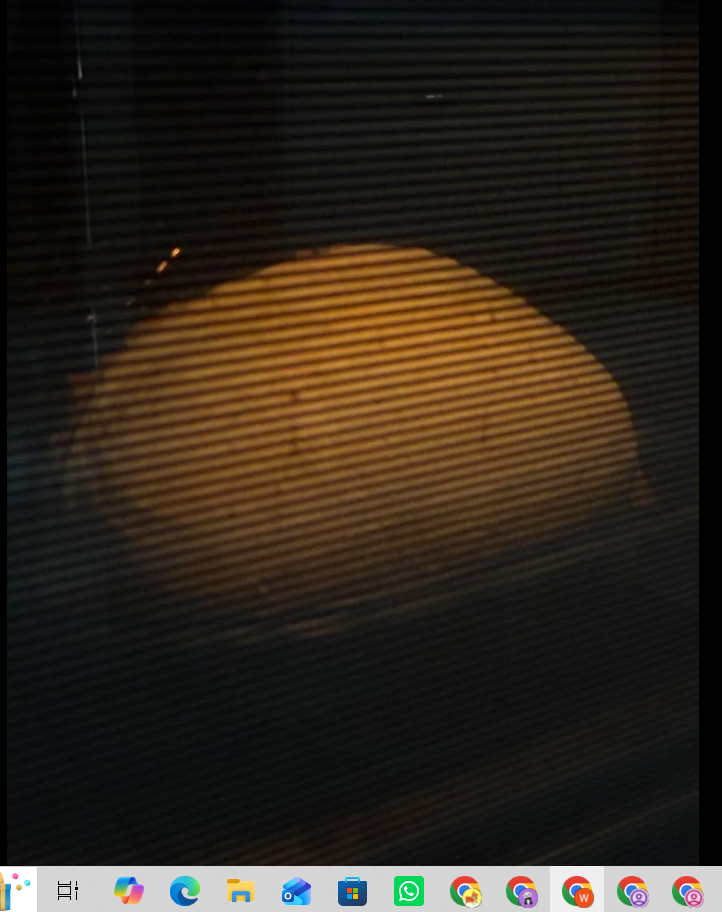
My Daily Easy Sourdough Bread
There’s something incredibly satisfying about baking your own sourdough bread at home. The smell of freshly baked bread filling the kitchen, the crackling crust as it cools, and the soft, flavorful crumb inside make every loaf worth the effort. The good news is that sourdough baking doesn’t have to be complicated.
This Daily Easy Sourdough Bread recipe is designed for home bakers who want consistent, delicious results without spending all day in the kitchen. Using only four basic ingredients—bread flour, water, sourdough starter, and salt—you can create a bakery-quality loaf that fits easily into your daily routine.
Whether you’re completely new to sourdough or have been baking for years, this recipe provides a reliable method that produces a beautiful loaf every time. With a crisp golden crust, open crumb, and rich sourdough flavor, it’s the perfect everyday bread for sandwiches, toast, soups, and more.
Why You’ll Love This Recipe
There are countless sourdough recipes online, but this one stands out because it focuses on simplicity and consistency.
Reasons You’ll Love It
- Only four ingredients
- Beginner-friendly process
- Minimal hands-on time
- Beautiful crust and crumb
- Flexible schedule
- Perfect for daily baking
- Naturally fermented
- No commercial yeast required
Once you bake this loaf, you’ll understand why so many people make it part of their weekly routine.
What Makes Sourdough Special?
Unlike bread made with commercial yeast, sourdough relies on a naturally fermented starter. This starter contains wild yeast and beneficial bacteria that help the dough rise while developing incredible flavor.
Benefits of sourdough include:
- Richer flavor
- Better texture
- Longer shelf life
- Improved digestibility
- Natural fermentation process
The slow fermentation creates a depth of flavor that simply cannot be achieved with ordinary bread.
Ingredients
For the Dough
- 500g bread flour
- 350g water (room temperature)
- 100g active sourdough starter
- 10g salt
That’s it! Four simple ingredients combine to create a truly exceptional loaf.
Equipment You’ll Need
- Large mixing bowl
- Kitchen scale
- Dough scraper
- Proofing basket or bowl
- Parchment paper
- Dutch oven
- Sharp blade or bread lame
- Cooling rack
While specialized tools help, many can be substituted with common kitchen items.
Step 1: Mix the Dough
Begin by adding the water and active sourdough starter to a large mixing bowl.
Stir until the starter is mostly dissolved.
Add the bread flour and mix until no dry flour remains.
The dough will appear rough and shaggy at this stage, which is completely normal.
Cover the bowl and allow it to rest for 30 minutes.
This resting period is known as the autolyse stage and helps hydrate the flour while beginning gluten development naturally.
Step 2: Add the Salt
After the autolyse period, sprinkle the salt over the dough.
Mix thoroughly until fully incorporated.
The dough may initially feel slippery, but continue mixing until smooth.
Salt strengthens gluten structure and helps control fermentation while enhancing flavor.
Step 3: Stretch and Fold
Instead of kneading, sourdough often uses stretch-and-fold techniques.
Perform four sets of stretch and folds.
For each set:
- Grab one side of the dough.
- Stretch it upward.
- Fold it over itself.
- Rotate the bowl.
- Repeat on all four sides.
Allow 30 minutes between each set.
With every fold, you’ll notice the dough becoming smoother, stronger, and more elastic.
Step 4: Bulk Fermentation
After completing the folds, cover the dough and allow it to ferment at room temperature.
Depending on room temperature, this process usually takes 4 to 6 hours.
The dough is ready when:
- It has increased by roughly 50%
- It feels airy
- Small bubbles appear
- The surface looks slightly domed
Patience is one of the most important ingredients in sourdough baking.
Step 5: Shape the Dough
Lightly flour your work surface.
Carefully transfer the dough onto the counter.
Using gentle movements, shape it into a round or oval loaf.
Avoid pressing out too much air.
Creating surface tension during shaping helps the loaf maintain its structure while baking.
Once shaped, place it seam-side up into a floured proofing basket or towel-lined bowl.
Step 6: Cold Proof Overnight
Cover the dough and place it in the refrigerator for 8–12 hours.
This cold fermentation stage is one of the secrets to exceptional sourdough.
Benefits include:
- Better flavor development
- Improved crust
- Easier scoring
- Stronger oven spring
- More flexible baking schedule
Many bakers find overnight proofing produces their best loaves.
Step 7: Bake the Bread
Preheat your oven to 230°C (450°F).
Place your Dutch oven inside while preheating.
A fully heated Dutch oven creates steam, which helps develop a crisp crust and excellent oven spring.
When ready:
- Remove the dough from the refrigerator.
- Transfer onto parchment paper.
- Score the top with a sharp blade.
Scoring allows the bread to expand properly during baking.
Carefully place the dough into the hot Dutch oven.
Bake:
- 20 minutes with lid on
- 20–25 minutes with lid off
The finished loaf should have a deep golden-brown color and sound hollow when tapped.
Step 8: Cool Completely
Transfer the bread to a cooling rack.
Allow it to cool completely before slicing.
While it may be tempting to cut into it immediately, waiting helps the crumb finish setting properly.
Cutting too early can result in a gummy texture.
Tips for Perfect Sourdough Bread
Use an Active Starter
Your starter should be bubbly and recently fed before baking.
Weigh Ingredients
Using a kitchen scale ensures accuracy and consistent results.
Avoid Extra Flour
Too much flour can create a dense loaf.
Don’t Rush Fermentation
Proper fermentation is essential for flavor and texture.
Preheat Thoroughly
A fully heated Dutch oven makes a huge difference in oven spring.
Serving Ideas
This versatile bread can be enjoyed in many ways.
Breakfast
- Butter and jam
- Honey
- Avocado toast
Lunch
- Turkey sandwiches
- Grilled cheese
- Chicken sandwiches
Dinner
- Served with soup
- Garlic bread
- Bruschetta
Snacks
- Toasted with butter
- Dipped in olive oil
- Served with cheese
Storage Instructions
Room Temperature
Store in a bread box or paper bag for up to 3 days.
Freezer
Slice and freeze for up to 3 months.
Simply thaw individual slices as needed.
Common Sourdough Problems
Dense Loaf
Usually caused by:
- Weak starter
- Under-fermentation
- Too much flour
Flat Bread
Often due to over-proofing.
Gummy Texture
Usually caused by cutting too soon after baking.
Pale Crust
May result from insufficient baking time.
Frequently Asked Questions
Can I use all-purpose flour?
Yes, although bread flour generally produces better structure and chew.
Do I need a Dutch oven?
A Dutch oven is highly recommended, but other baking methods can work.
Can I skip the cold proof?
Yes, but the flavor and texture won’t be quite as developed.
How do I know my starter is ready?
It should double in size after feeding and be full of bubbles.
Why is sourdough healthier?
Many people find naturally fermented bread easier to digest due to the long fermentation process.
Final Thoughts
This Daily Easy Sourdough Bread recipe proves that homemade artisan bread doesn’t need to be complicated. With only four simple ingredients and a straightforward process, you can create a loaf that’s every bit as beautiful and delicious as one from a professional bakery.
The crisp crust, soft interior, and rich sourdough flavor make it perfect for everyday meals. Whether you’re baking your very first loaf or your hundredth, this dependable recipe delivers outstanding results every time.
Once you experience the joy of pulling a fresh sourdough loaf from the oven, you’ll understand why sourdough baking becomes a lifelong passion for so many people. Happy baking!
